


In 2026, school boards across the country are making a major shift: upgrading their network infrastructure to meet the demands of modern education. From cloud-based systems and faster internet to VoIP and robust Wi-Fi, these upgrades are transforming how schools operate. A modern network doesn’t just improve day-to-day performance; it also strengthens security, supports growing digital needs, and prepares schools for the future. In this post, we’ll explore why school boards are investing in their networks, the benefits of making the switch, and what steps they can take next.
- The Shift Toward Modern Network Infrastructure
- How Modern Network Infrastructure Supports Teaching and Learning
- Key Benefits of Upgrading Network Infrastructure
- Funding Opportunities for Network Upgrades
- Next Steps for School Boards
If your school board is considering a network upgrade, reach out to Network Telecom today to explore solutions that boost performance, security, and scalability.
Key Takeaways
- Modern network infrastructure is essential for supporting digital learning, reliable communication, and administrative efficiency in schools.
- Upgrades include cloud systems, higher bandwidth, VoIP phone systems, and modern Wi-Fi, making networks faster, more secure, and scalable.
- Enhanced networks improve classroom experiences, help teachers work more efficiently, and prepare students with critical digital skills.
- Security and data protection are major benefits, reducing risks from cyberattacks and unauthorized access.
- Government grants and funding programs can help offset upgrade costs and make modernization more affordable.
- School boards should assess current networks, engage experts, and develop phased upgrade plans for smooth implementation.
- Partnering with trusted providers like Network Telecom ensures schools get tailored solutions that meet both current and future needs.
1. The Shift Toward Modern Network Infrastructure
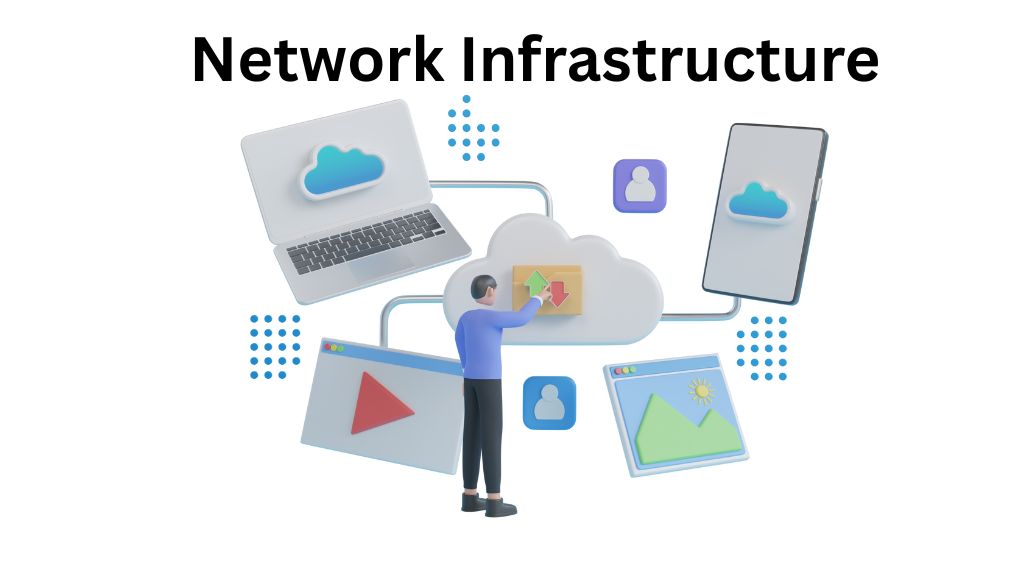
School boards are increasingly moving away from outdated networks and embracing modern network infrastructure to keep up with the demands of today’s schools. A modern network is more than just faster internet; it’s a combination of tools and systems designed to make schools run smoothly, safely, and efficiently.
What Modern Network Infrastructure Includes
Modern network infrastructure includes several key components that support both teaching and administration:
- Cloud systems and cloud-based applications allow teachers, students, and staff to access files and programs from anywhere, without needing to store everything on local computers.
- Higher bandwidth ensures that online lessons, video calls, and digital resources run smoothly, even when many users are connected at the same time.
- VoIP phone systems replace traditional landlines, enabling clearer calls, easy call management, and integration with other digital tools.
- Modern Wi-Fi networks provide reliable, high-speed connectivity across classrooms, offices, and common areas, so students and staff can stay connected without interruptions.
Together, these upgrades make networks faster, more reliable, and capable of supporting the wide variety of digital tools schools rely on today.
Why Schools Are Making the Switch
Several factors are driving school boards to upgrade their networks:
- Increased digital learning means more students are using online platforms, streaming lessons, and collaborating on digital projects, all of which require a strong, reliable network.
- Remote and hybrid classrooms have become more common, requiring networks that can handle multiple users accessing cloud applications simultaneously.
- Security concerns are growing, with schools needing to protect sensitive student data and prevent cyberattacks, which older networks often can’t fully address.
These drivers are making it clear that maintaining an outdated network is no longer sufficient. Upgrading to a modern infrastructure helps schools stay ahead of technological demands while keeping students and staff safe.
2. How Modern Network Infrastructure Supports Teaching and Learning

Upgrading network infrastructure isn’t just about faster internet; it directly impacts how teachers teach and students learn. Modern networks enable new tools, resources, and experiences that enhance education across all grade levels.
Enhancing Classroom Technology
- Interactive lessons are smoother and more reliable, with digital whiteboards, video streaming, and online collaboration tools running without interruptions.
- Cloud-based learning platforms allow students to access assignments, resources, and feedback from anywhere, making learning more flexible and personalized.
- Real-time collaboration enables students to work together on projects, even if some are learning remotely or from home.
Supporting Teachers and Staff
- Simplified administration helps staff manage attendance, grades, and communications without struggling with slow or outdated systems.
- Reliable communication tools like VoIP phones and secure email systems make it easier for teachers to connect with parents, students, and colleagues.
- Access to online professional development allows staff to learn new skills and integrate technology effectively into the classroom.
Preparing Students for the Future
- Digital literacy skills are built naturally as students use modern tools and online platforms safely and efficiently.
- Access to up-to-date resources ensures students are learning with current information and technology.
- Smooth integration of emerging technologies like coding programs, VR (virtual reality) learning, or interactive STEM labs becomes possible with robust networks.
Modern network infrastructure creates an environment where technology enhances learning rather than slowing it down. For school boards, investing in upgrades means supporting both teachers and students while future-proofing their schools.
3. Key Benefits of Upgrading Network Infrastructure

Upgrading to a modern network infrastructure offers school boards more than just faster internet; it transforms the way schools operate. From classrooms to administrative offices, a modern network provides tangible benefits that make day-to-day tasks easier and more secure.
Improved Performance
Modern networks are designed to handle the demands of today’s digital classrooms and administrative systems. Benefits include:
- Faster and more reliable internet ensures online lessons, video calls, and cloud applications run smoothly without interruptions.
- Reduced downtime means staff and students spend less time troubleshooting connectivity issues and more time learning and working.
- Support for multiple devices allows students, teachers, and staff to connect laptops, tablets, and other devices simultaneously without slowing the network.
These performance improvements help create a seamless digital experience for everyone in the school community.
Enhanced Security
Protecting student data and school systems is more important than ever. Modern networks offer:
- Advanced security measures that protect sensitive information from cyberattacks and unauthorized access.
- Regular updates and monitoring to keep systems safe from the latest threats.
- Secure remote access so teachers and staff can work safely from home or other off-site locations.
A secure network gives administrators peace of mind while keeping students and staff protected.
Greater Scalability
Modern networks are built to grow with the school’s needs, providing flexibility for the future:
- You can easily add new devices and users without overloading the system.
- You’ll get support for new technologies such as interactive whiteboards, cloud learning platforms, and hybrid classroom tools.
- A modern network infrastructure is future-ready, which means it can handle upgrades and expansions without requiring a full network overhaul.
Scalable networks ensure that school boards are prepared for the evolving demands of digital education.
4. Funding Opportunities for Network Upgrades
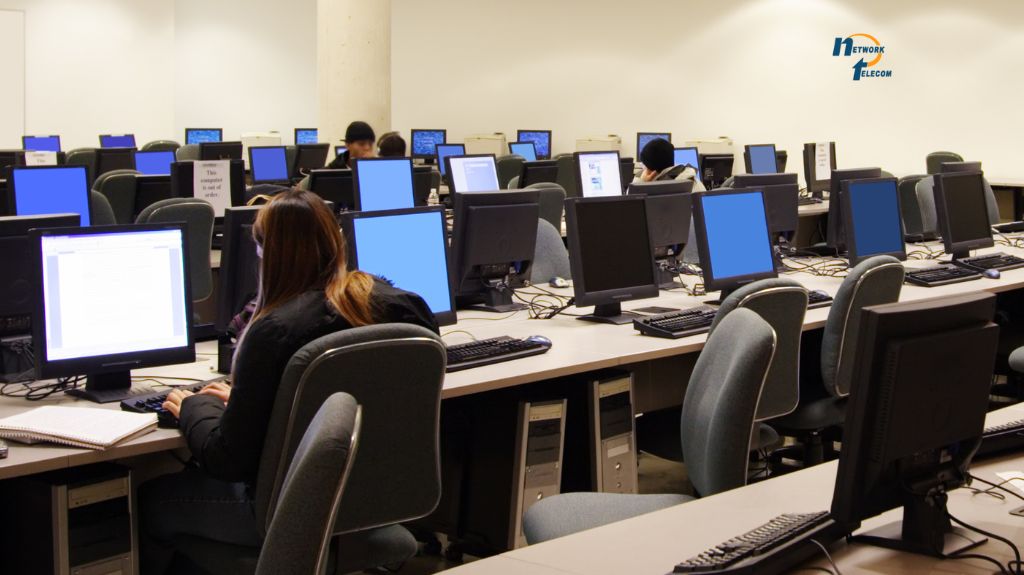
Upgrading a school’s network infrastructure can feel like a big investment, but there are several funding opportunities that can help school boards make the transition without breaking the budget. Understanding these options makes it easier to plan for upgrades while maximizing available support.
Government Grants and Programs
Many governments and educational agencies offer grants and funding programs specifically for school technology projects:
- Provincial or state technology grants provide funding for new equipment, cloud systems, and network upgrades.
- Federal initiatives may offer additional support for digital learning infrastructure and cybersecurity improvements.
- Special programs for connectivity focus on ensuring schools in all areas have access to reliable internet and Wi-Fi.
School boards can often combine multiple programs to cover a significant portion of their upgrade costs.
Budgeting Considerations
Even with funding, careful budgeting ensures that upgrades are completed efficiently:
- Plan in phases to spread costs over multiple fiscal periods, making the project more manageable.
- Prioritize critical needs first such as network security, bandwidth improvements, or classroom connectivity.
Include ongoing maintenance in the budget to keep the network performing well for years to come.
Success Stories and Examples
Many school boards have successfully leveraged funding programs to upgrade their networks without exceeding budgets. Examples include schools moving to cloud-based systems, implementing VoIP, and modernizing Wi-Fi networks with government support.
By exploring available funding opportunities, school boards can make network upgrades more accessible and sustainable while ensuring their infrastructure is ready for the demands of modern education.
5. Next Steps for School Boards
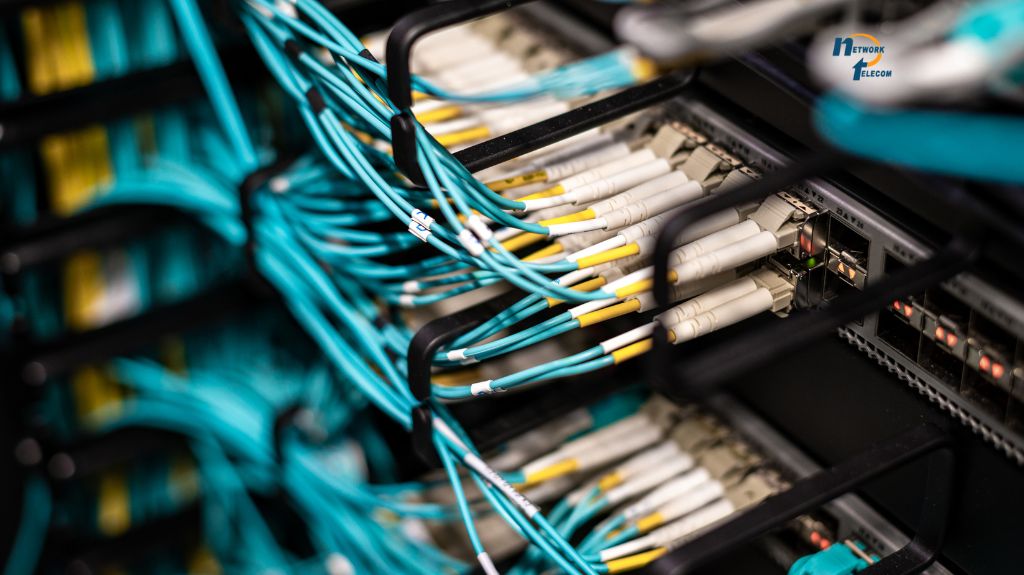
Once school boards understand the benefits of modern network infrastructure and available funding options, it’s important to take actionable steps to plan and implement upgrades. A structured approach ensures the process is smooth, efficient, and tailored to each school’s unique needs.
Assess Current Infrastructure
- Evaluate existing network systems to identify areas that need improvement, such as slow Wi-Fi, outdated hardware, or limited bandwidth.
- Document current usage patterns including the number of devices, types of applications, and peak usage times.
- Identify security gaps to ensure sensitive student and staff data is fully protected.
Engage with IT Experts or Vendors
- Consult with trusted network solution providers to get professional recommendations and cost estimates.
- Request demonstrations or site assessments to understand how new systems would function in your schools.
- Compare options carefully to ensure the solution meets both current and future needs.
Develop a Phased Upgrade Plan
- Prioritize critical upgrades first such as security improvements and high-bandwidth connections for classrooms.
- Plan for scalability so future additions, like new classrooms or technologies, can be integrated without major overhauls.
- Schedule implementation to minimize disruption to students and staff, ideally during school breaks or low-usage periods.
Monitor and Maintain
- Regularly review network performance to ensure the system continues to meet demands.
- Schedule routine maintenance and updates to keep systems secure and efficient.
- Train staff to use the new technology effectively and troubleshoot basic issues.
Taking these steps helps school boards move confidently toward a modern, high-performing network infrastructure that supports digital learning, remote access, and administrative efficiency.
Taking the Next Step: Upgrade Your Network with Confidence

By partnering with Network Telecom, you can benefit from expert guidance and support.
Upgrading network infrastructure is no longer optional for school boards; it’s essential for supporting digital learning, protecting student data, and ensuring schools can scale to meet future demands. From cloud systems and high-speed Wi-Fi to VoIP and increased bandwidth, modern networks improve performance across classrooms and administrative offices alike.
For school boards, the benefits are clear: smoother online learning experiences, reliable communication, stronger cybersecurity, and an infrastructure built to grow with evolving educational needs. By exploring available funding opportunities and following a structured upgrade plan, schools can modernize their networks in a cost-effective and sustainable way.
If your school board is considering a network upgrade, Network Telecom is ready to help. Our team works closely with educational institutions to design, implement, and support modern network infrastructure solutions tailored to your specific requirements. Contact Network Telecom today to schedule a consultation and take the first step toward a secure, scalable, and future-ready school network.
With the right partner and guidance, your schools can fully benefit from modern network infrastructure today and well into the future.
What Our Customers Are Saying…
“Outstanding Service! We had a full phone system installed at a brand new facility and the experience was great. From sales to service the team followed through. The support we have received so far has been excellent. During our install the Network Telecom team even stepped in to help another company who couldn’t complete their portion of the install on time. They truly understand the big picture and will do what it takes to ensure the install is completed to keep your business up and running. 10/10”
“We just had an installation done today and it was a great experience. I am not at all tech savvy but everything was explained in a helpful and patient manner. The system seems great and we are really looking forward to running a more efficient office. Highly recommended!”
“Network Telecom was wonderful to work with. Helpful and knowledgeable, their team transitioned our office to the new phone system with ease. They were also available to answer concerns and provide additional support post transition. Would definitely recommend their services. Thank you to the team at Network Telecom!”